People in Birmingham and the wider West Midlands searching for effective help with alcohol dependency face a familiar set of obstacles: NHS waiting lists, limited availability of specialised private treatment locally, and a lack of clear information about what actually works. This article looks at the treatment options available to people in the Birmingham area, with a focus on the disulfiram implant – one of the more evidence-backed medical interventions for alcohol dependency – and how Birmingham patients typically access it.
Are There Alcohol Implant Options for People Living in Birmingham?
Yes, and the process is more accessible than many people in the area initially assume. Those who have looked into this treatment before may already know that an alcohol chip – a subcutaneous disulfiram implant – is not something routinely available through NHS services, but it can be arranged privately. For Birmingham patients specifically, the dedicated page covering the alcohol chip explains what the process involves for people in the region, including how to get in touch and what the next steps look like once you decide to proceed.
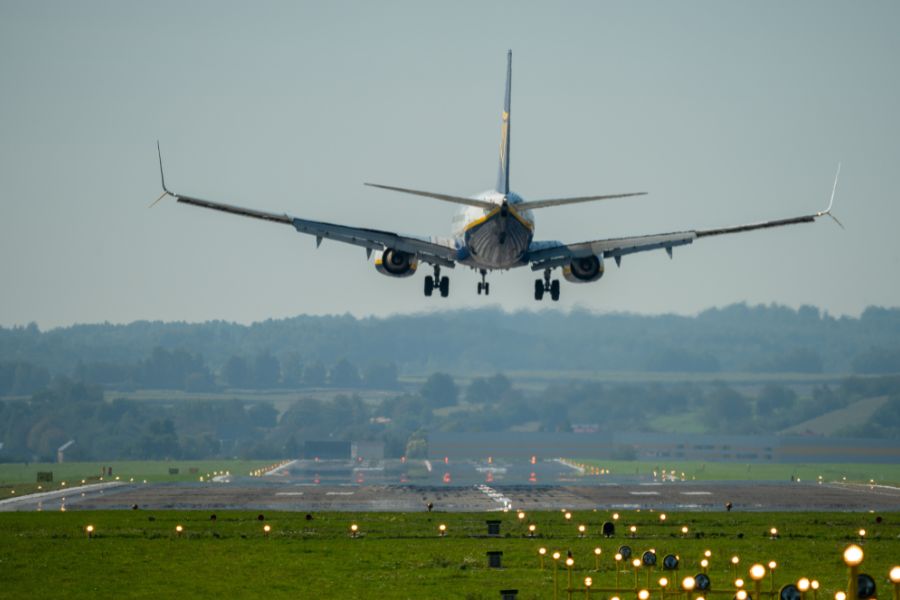
The procedure itself takes place at the clinic in Kraków, Poland – a two-hour direct flight from Birmingham Airport. Ryanair and Wizz Air both operate this route, and tickets can often be found for £50 to £60 one-way, making the overall trip both manageable and cost-effective.
How Does the Disulfiram Implant Work and Why Do Patients Choose It?
The implant contains Disulfiram – the same active substance found in oral anti-alcohol medication – but delivered in a form that provides continuous protection for up to 12 months without requiring daily doses. Once placed under the skin, it releases the medication steadily into the bloodstream. If alcohol is consumed while the implant is active, the body produces a strong and unpleasant reaction: nausea, palpitations, flushing, and shortness of breath. This aversion response is what makes the esperal implant effective as a relapse deterrent.
Unlike tablets, which can simply be skipped on a difficult day, the implant removes that option entirely. For many people in the West Midlands and Birmingham who have tried oral medication and found consistency difficult, this distinction is what makes the implant a more suitable choice.
Does the Implant Actually Work? What Should Birmingham Patients Know Before Deciding?
This is one of the most common questions people ask before committing to treatment. The implant works primarily through its aversion mechanism – the knowledge that drinking will trigger an immediate physical response creates a strong psychological deterrent. For patients who are motivated to stay sober but need external support to hold that boundary, it tends to be highly effective. For anyone still weighing up the options, the article “Implant to Stop Drinking: Does It Really Work and Where Can You Get It?“ addresses the effectiveness question in detail and is worth reading before making a final decision.
It is also worth noting that the implant is most effective when combined with psychological support – therapy, group work, or structured aftercare. Anti-alcohol implants in the UK are best understood as a medical component of a broader recovery plan, not a standalone cure.
What Does the Current Offer Mean for Birmingham Patients?
The procedure is currently available at a promotional price of £650, representing a £150 reduction on the standard rate. For a Birmingham patient flying from Birmingham Airport – where direct flights to Kraków are available from around £100 return – the total cost of the trip including treatment comes to approximately £750 to £800. That is a realistic and competitive figure for a procedure that provides up to 12 months of continuous protection against relapse, carried out by a doctor with extensive specialist experience in anti-alcohol implantation.
Getting in touch with the clinic is the logical first step. The initial conversation is straightforward – it covers your situation, your health history, and any questions you have about the procedure or the journey. From there, booking