Disulfiram implantation is regarded as one of the supportive methods used in the therapy of alcohol addiction. Since it directly affects the way the organism metabolises ethanol, choosing to undergo this procedure should never be a spontaneous decision. Knowing how the implant operates, who can be qualified for it, and what each stage looks like makes it easier to approach treatment calmly and with full awareness.
Why a medical consultation matters so much
Every procedure involving an alcohol implant should begin with a medical visit. The purpose of this appointment is to check the patient’s overall health, rule out possible contraindications, and decide whether this form of treatment fits the individual case. The physician reviews the medical history, existing illnesses, currently taken drugs, as well as the duration and character of alcohol use. This step is crucial for limiting health risks and making sure the procedure can be carried out without danger.
How much does the alcohol implant cost?
The price of the procedure is one of the questions patients ask most often. The final amount depends on several factors, such as the clinic’s location, applied medical standards, and the scope of services included in the package. In most cases the total covers not only the implantation itself, but also the initial consultation, local anaesthesia, the materials used, and follow-up care. Clinics specialising in the treatment of alcohol dependence in the United Kingdom usually present transparent pricing and additionally run periodic promotional campaigns that make therapy more accessible. A practical example of such a solution is described in the article Alcohol implant discount: save £150 on your treatment, where the rules of the current price reduction are explained in detail. It is worth treating this expense as a longer investment in health and stability rather than a one-time medical fee.
Contraindications for disulfiram implantation
This form of treatment is not suitable for everyone. There are several medical conditions that may disqualify a patient from receiving the implant. Among the most common contraindications are advanced diseases of the heart, liver, or kidneys, severe psychiatric disorders, pregnancy and breastfeeding, as well as a confirmed allergy to disulfiram. It is equally important that the patient remains sober for a minimum of 24 hours before the procedure. In many situations medically supervised detoxification is required beforehand, because residual alcohol in the body drastically raises the risk of serious complications.
What does the procedure look like in practice?
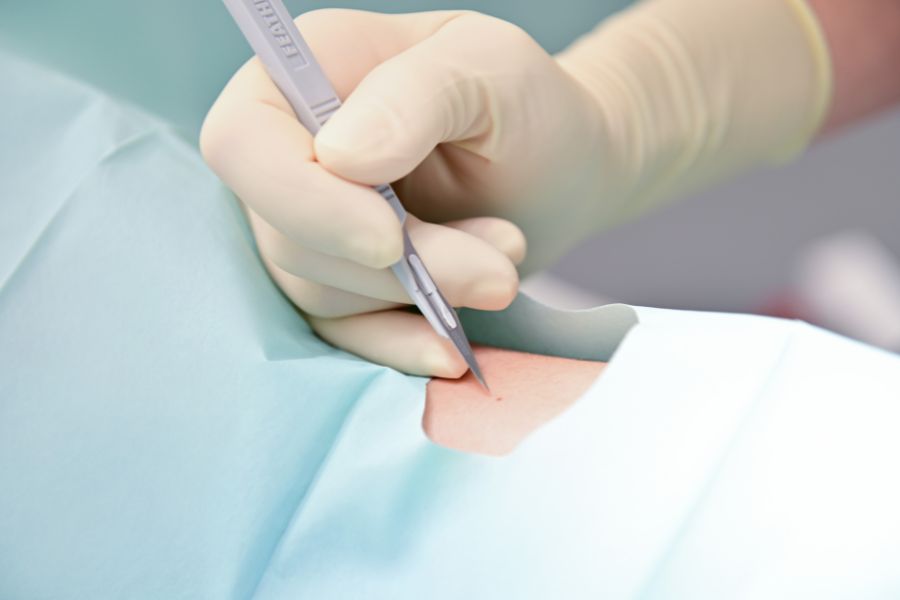
The implantation itself is a relatively brief intervention and usually lasts around 20 minutes. It is carried out under local anaesthesia, and patients who want to learn more about the qualification process, recovery, and the clinics performing the procedure in the United Kingdom will find detailed information at helpmewithalcohol.co.uk. The doctor makes a small incision, most often in the upper part of the buttock, and inserts a sterile disulfiram tablet beneath the skin. The incision is then closed with self-absorbing sutures. After the procedure most patients can return to their normal daily activities, although careful wound care remains essential to avoid infection and support proper healing.
How does the alcohol implant work?
Disulfiram blocks the enzyme responsible for metabolising ethanol in the body. When alcohol is consumed, acetaldehyde builds up rapidly and triggers strong, highly unpleasant reactions. Typical symptoms include intense headache, dizziness, nausea, vomiting, weakness, a sudden drop in blood pressure, reddening of the face, and accelerated heart rate. The anticipation of such effects works as both a psychological and physiological barrier against drinking. This forced period of abstinence gives the patient the time and space needed to build new habits and coping strategies that support lasting sobriety.